A Small Step That Protects a Child’s Future
Imagine a young child getting ready for a routine healthcare visit. The parents have questions: Which vaccines are needed? When should they be given? Are mild reactions normal? What happens if a dose is missed?
These are common questions for parents, especially during the early years of childhood.
Pediatric Vaccination is an important part of preventive healthcare because vaccines help prepare a child’s immune system to recognize and respond to certain infectious diseases. Following the recommended vaccination schedule can help protect children during different stages of their growth.
For parents, understanding the purpose of vaccines and keeping accurate vaccination records can make childhood healthcare easier to manage.
What Is Pediatric Vaccination?
Pediatric Vaccination refers to immunization given to infants, children, and adolescents according to recommended schedules.
Vaccines work by helping the immune system develop protection against specific infections. Depending on the vaccine, protection may require one dose or several doses over time.
Vaccination schedules are designed according to factors such as the child’s age, health condition, previous vaccinations, and recommendations from qualified healthcare authorities.
Parents should always discuss their child’s vaccination schedule with a qualified pediatric healthcare professional rather than relying on general information available online.
Why Is Pediatric Vaccination Important?
Children’s immune systems are still developing, and some infectious diseases can cause serious complications.
Pediatric Vaccination can help reduce the risk of certain vaccine-preventable illnesses and also contributes to broader community protection when vaccination coverage is high.
Vaccination is particularly important during infancy and early childhood because children may be exposed to infections through family members, schools, childcare environments, and other community settings.
Keeping vaccinations up to date is therefore an important part of preventive healthcare.
Understanding the Childhood Vaccination Schedule
One of the most important responsibilities for parents is keeping track of when vaccines are due.
The recommended schedule may include vaccinations during infancy, early childhood, school-age years, and adolescence. Some vaccines may require multiple doses or booster doses to maintain protection.
Parents should keep a vaccination record that includes:
- Vaccine names
- Dates of previous doses
- Upcoming doses
- Booster requirements
- Relevant healthcare notes
If parents are unsure whether a child has received a particular vaccine, they should speak with the child’s healthcare provider and review available medical records.
What Should Parents Expect After Vaccination?
After Pediatric Vaccination, some children may experience mild and temporary reactions.
These can include:
- Mild soreness where the injection was given
- Temporary redness or swelling
- Mild fever
- Tiredness
- Temporary irritability
These reactions can vary depending on the vaccine and the individual child.
Parents should follow the healthcare professional’s advice about after-care. If a child develops unusual or severe symptoms after vaccination, parents should seek medical advice promptly.
It is important not to delay or avoid vaccination because of assumptions about side effects. Instead, discuss concerns directly with a qualified healthcare professional.
What If a Child Misses a Vaccine?
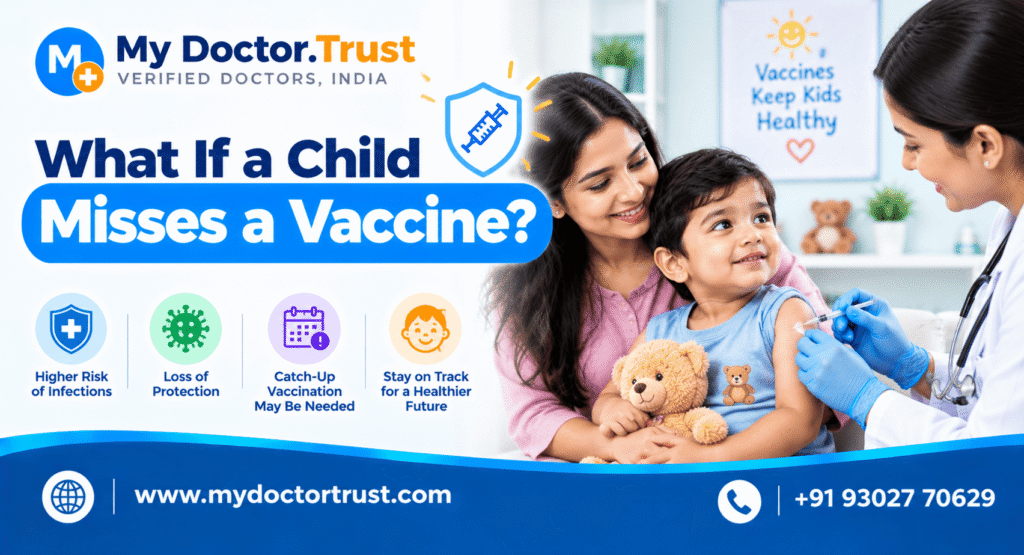
Sometimes a child may miss a scheduled dose because of illness, travel, changing doctors, or simply because parents lose track of the schedule.
A missed vaccination does not mean parents should ignore the remaining schedule.
The appropriate next step is to contact the child’s healthcare provider. They can review the child’s vaccination history and recommend an appropriate catch-up plan when necessary.
Parents should avoid creating their own vaccination schedule based solely on information found online.
Common Questions Parents Ask
Parents often have questions before their child’s vaccination appointment.
Can a child receive vaccines when mildly unwell?
Whether vaccination should proceed can depend on the child’s symptoms and overall condition. Parents should discuss this with the healthcare professional before the appointment.
Are all children given exactly the same vaccines?
Vaccination recommendations can vary depending on age, health history, previous doses, and applicable medical guidelines. A healthcare professional can provide an individualized schedule.
Should parents keep vaccination records?
Yes. Maintaining an updated record can help healthcare professionals determine which vaccines have already been given and which may be due.
Making Healthcare Information Easier to Find Online
Parents frequently search online for healthcare information before visiting a pediatric practice. This makes a professional digital presence increasingly valuable for healthcare providers.
Digital Marketing Doctors can help pediatric healthcare practices communicate useful educational information through websites, search engine optimization, social media, and healthcare content.
For example, a pediatric practice can publish informative content about childhood nutrition, preventive healthcare, developmental milestones, common childhood conditions, and vaccination awareness.
The goal should be to provide accurate, understandable information while encouraging parents to consult qualified healthcare professionals for personalized medical advice.
A Real-World Example From Our Healthcare Marketing Experience
Through our work in healthcare marketing, we have seen how important educational content can be for doctors and healthcare practices.
Our team has worked with 200+ doctors, helping healthcare professionals strengthen their online presence through services such as website SEO, social media management, content marketing, online visibility, and digital branding.
For a pediatric practice, this could mean creating an organized online presence where parents can easily find information about services, appointment details, healthcare education, and preventive care topics such as Pediatric Vaccination.
A strong digital presence does not replace medical consultation. Instead, it can make reliable healthcare information easier for families to discover.
Choosing Reliable Sources for Vaccination Information
The internet contains a large amount of health information, but not everything published online is accurate or appropriate for every child.
Parents should look for information from reputable healthcare organizations and qualified medical professionals. More importantly, individual vaccination decisions should be discussed with the child’s healthcare provider.
A healthcare professional can consider the child’s medical history and provide guidance appropriate to their specific needs.
Free Doctor Listing for Better Online Presence
If you are a doctor, clinic, or hospital and want to increase your online presence, registering on a healthcare listing platform can be a useful step.
👉 Agar aap bhi apne clinic/hospital ki online presence badhana chahte hain, to abhi register karein Free Doctor Listing Platform par:
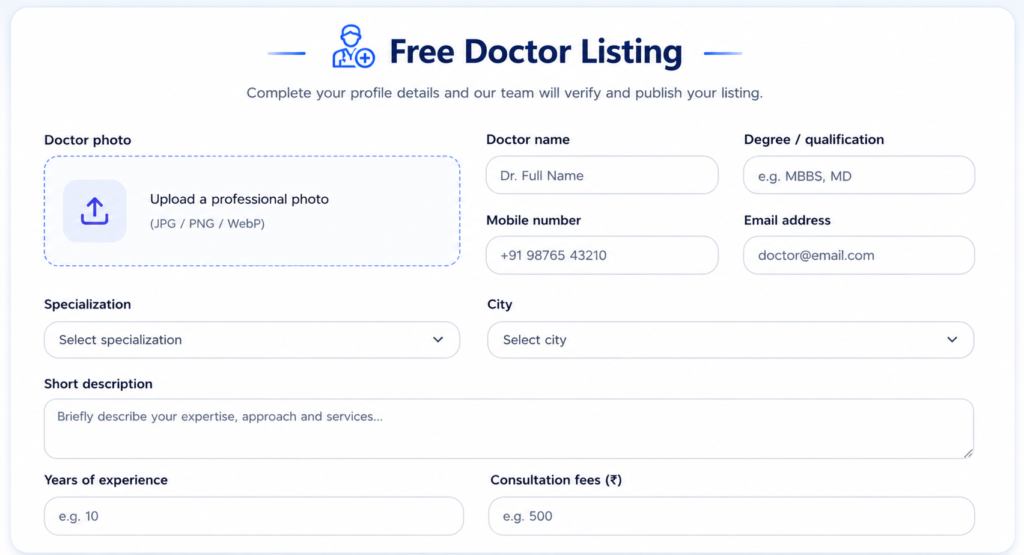
Free Doctor Listing Platform –
A free listing can provide patients with useful information about your practice and make it easier for families to discover your healthcare services online.
Conclusion
For parents, keeping track of childhood healthcare can sometimes feel overwhelming. Vaccination schedules, routine checkups, nutrition, development, and preventive care all require attention.
Pediatric Vaccination is an important part of this journey because vaccines help protect children against specific vaccine-preventable diseases.
By maintaining accurate vaccination records, following recommended schedules, discussing concerns with qualified healthcare professionals, and using reliable sources of information, parents can make informed decisions about their child’s healthcare.
For pediatric practices, providing trustworthy educational information online can also help families find useful resources when they need them.
A strong healthcare website, informative content, professional social media presence, and accessible practice information can create a better digital experience for parents looking for pediatric care.